
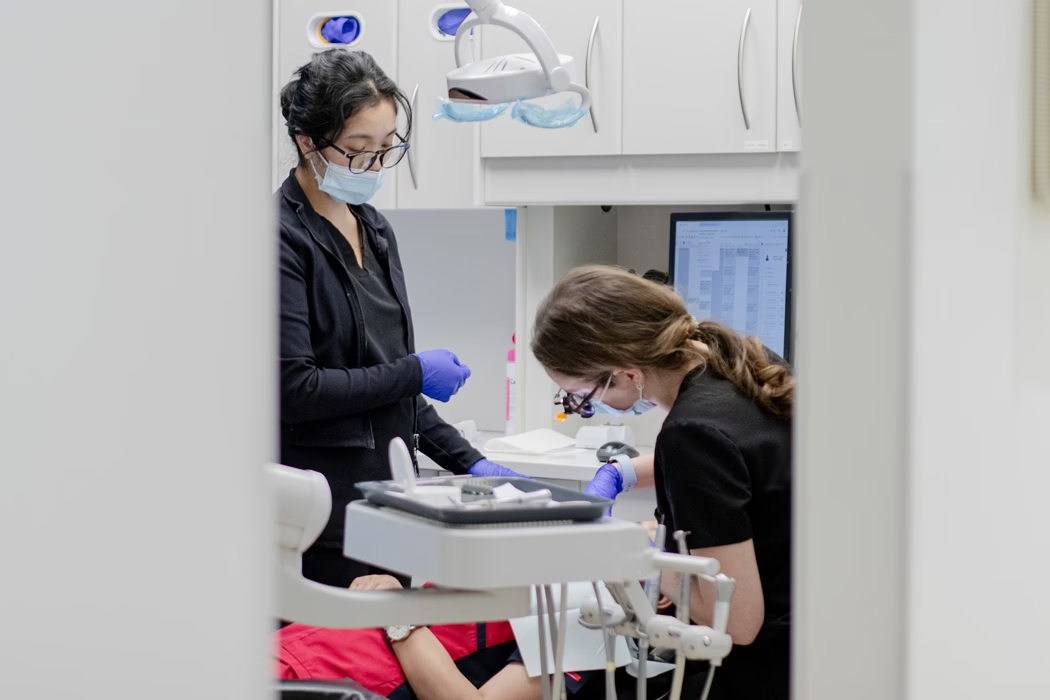

Preventing and Managing Dry Socket: Tips from Upper Fort Dental
Alveolar osteitis, commonly known as dry socket, is a temporary complication that can occur after a tooth extraction. Although it is rare and preventable, it’s important to be aware of how to avoid it and what to do if it happens. At Upper Fort Dental, we’re here to ensure you have a smooth and comfortable recovery after your oral surgery.
What is Dry Socket?
After a tooth extraction, a blood clot typically forms in the empty socket, covering the underlying bone, gum tissue, and nerves. This clot is crucial for protecting the area from infection and aiding in the healing process. In some cases, however, the clot may become dislodged or fail to form properly, leaving the site exposed. This condition is known as dry socket.
The most common symptom of dry socket is a deep, throbbing pain that originates from the extraction site. You might also notice a foul odor or bad taste in your mouth. If you experience any of these symptoms, it’s important to contact Upper Fort Dental right away for prompt care.
Risk Factors and Prevention
While dry socket is rare, certain factors can increase your risk. These include tobacco use, taking oral contraceptives, poor oral hygiene, or having an existing gum infection near the extraction site.
To reduce your risk of developing dry socket, it’s important to follow these guidelines:
- Avoid using straws, as the suction can dislodge the clot.
- Do not brush directly over the extraction site.
- Avoid vigorous rinsing or spitting, especially during the first few days of healing.
- Follow all post-treatment instructions provided by Upper Fort Dental.
If you have any questions about your recovery, don’t hesitate to reach out to our team for guidance.
Treatment and Recovery
If dry socket does occur, our team at Upper Fort Dental will provide prompt and effective treatment to alleviate your discomfort. We will clean the area to remove any debris and then pack the socket with a medicated dressing to promote healing. We may also prescribe medication to manage pain and ensure a smooth recovery.
Follow-up appointments are essential to monitor your healing and prevent further complications. Rest assured, dry socket is a temporary condition, and with proper care, you will be on your way to a full recovery in no time.
Dry socket is a rare but treatable condition, and our experienced team at Upper Fort Dental is here to support you through every step of your recovery. For more information on post-extraction care or to schedule an appointment, please contact Upper Fort Dental today. We’re dedicated to helping you achieve and maintain optimal oral health.